Our Products for Sale

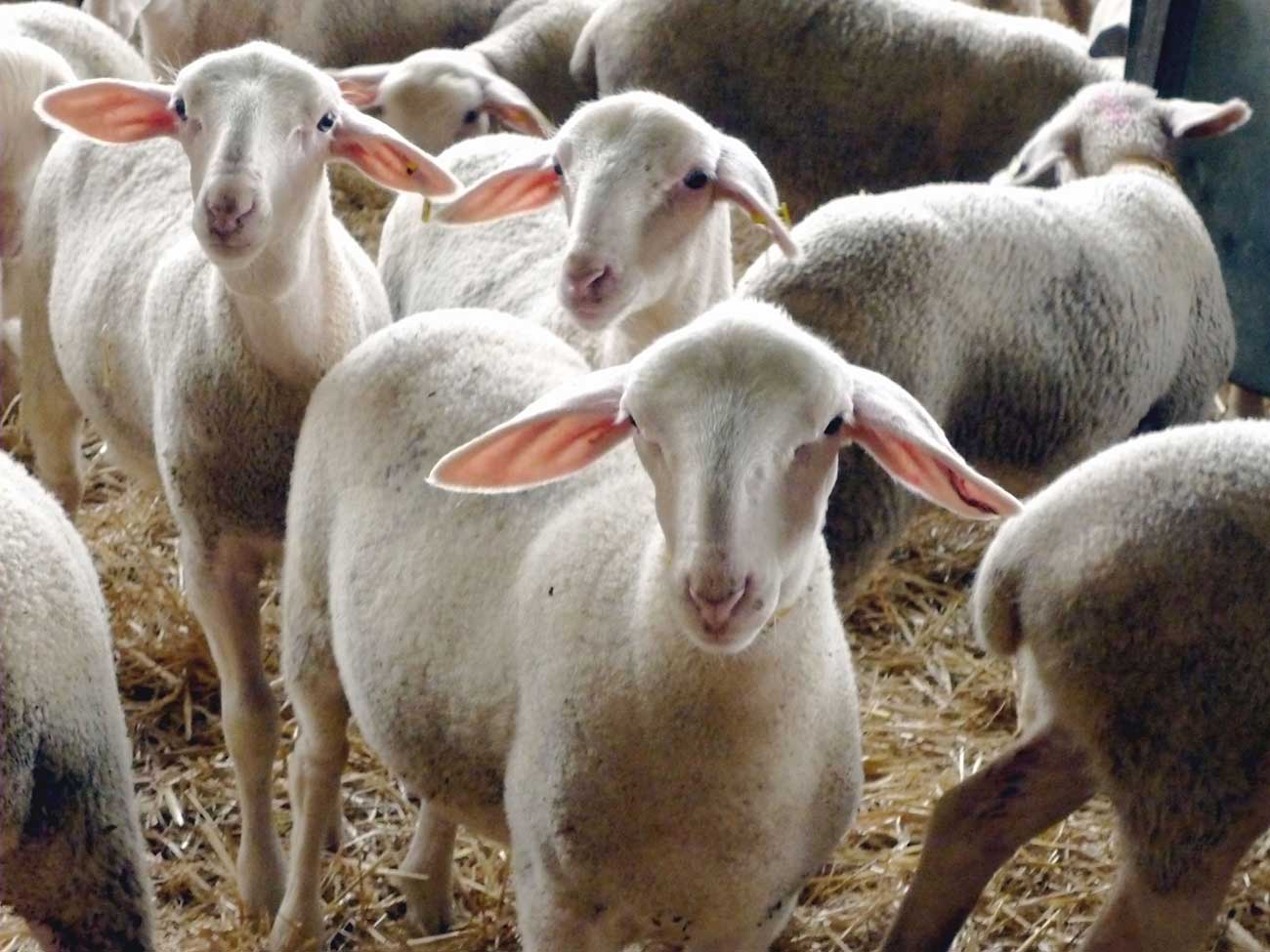
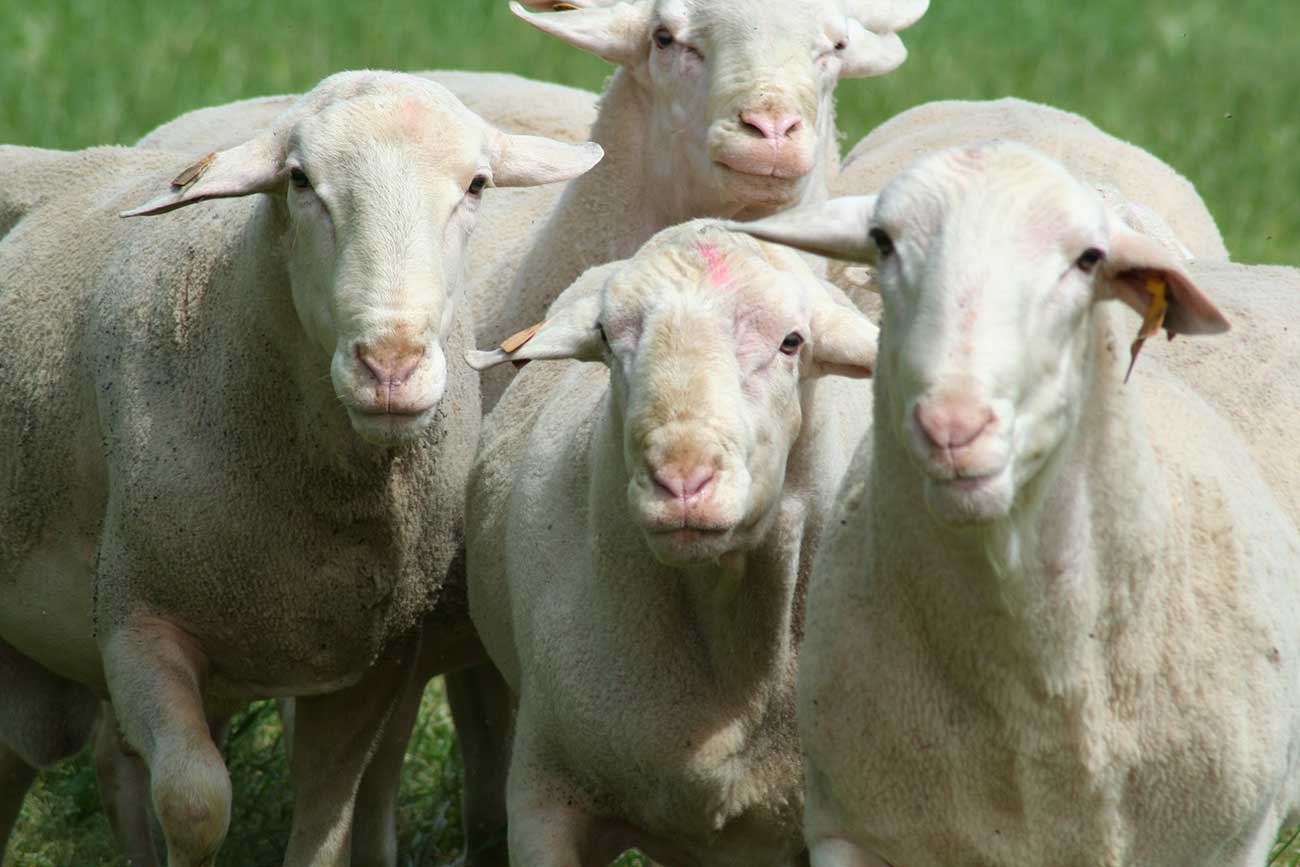
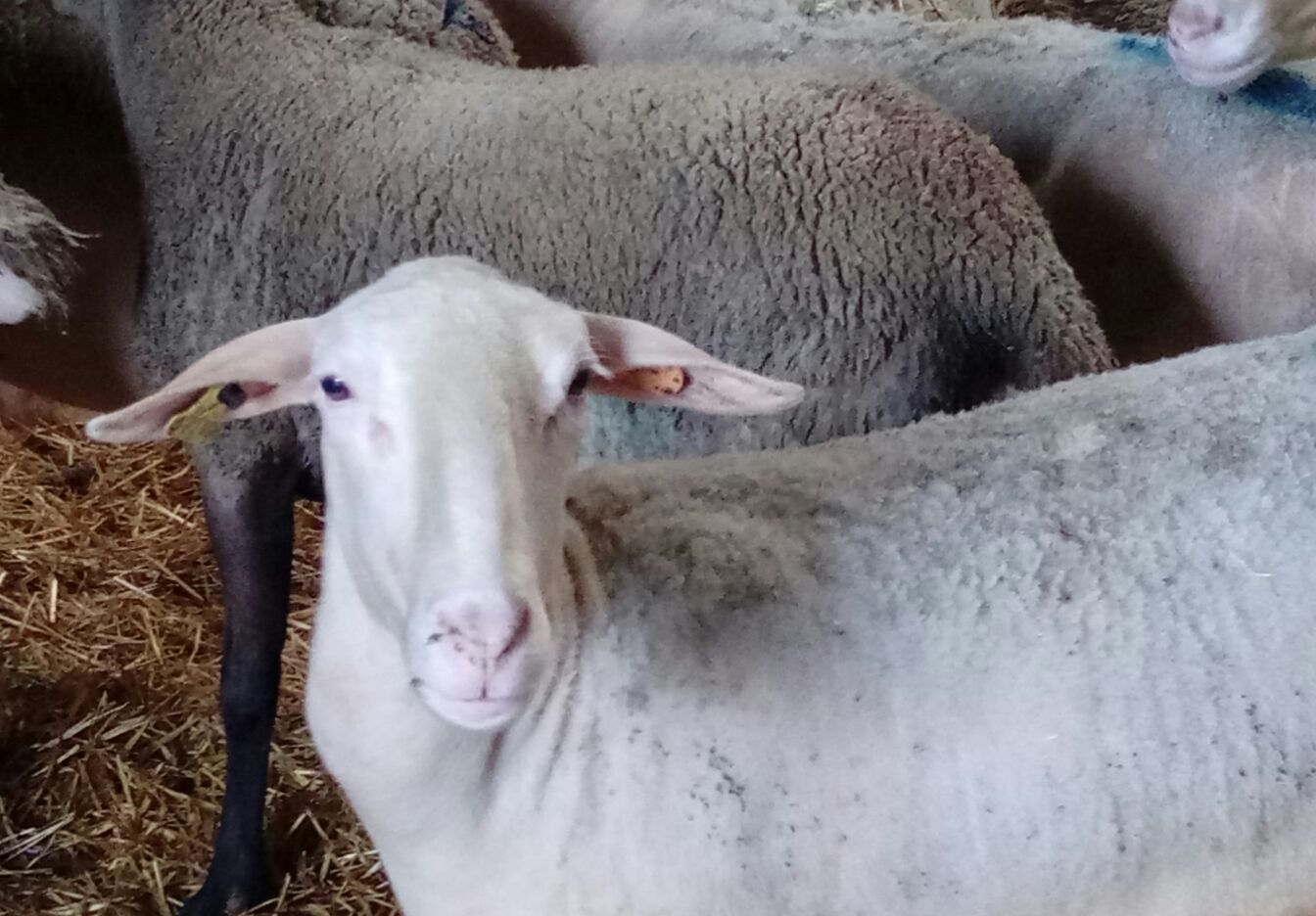
BUY LACAUNE SHEEP | LAMBS | EWES | RAMS
Quick Facts About the Lacaune Sheep Breed
| Country of origin | France |
| Breed name | Lacaune |
| Breed purpose | Milk |
| Mature body weight | Rams- 180 to 225 lbs.
Ewes – 130 to 160 lbs. |
| Average fiber diameter | 33 microns |
| Grease fleece weight | 8.8 to 11 lbs. |
| Fleece staple length | 4.6 to 6.2 inches |
| Care Level | Low |
| Temperature | Native climates |
| Temperament | Docile |
Characteristics of the Lacaune Sheep Breed
Lacaune sheep are medium-sized, with a white fleece covering their bodies. The wool is dual-coated, with a coarse outer layer and a fine undercoat that sheds in summer.
These sheep have an elongated, wool-less head and an arched body profile. Their snout is slightly rounded, and the ears slope downwards and are floppier than other sheep breeds.
Both sexes are polled, meaning they never grow horns. Sometimes, Lacaune sheep have bare bellies.
Being medium-sized, Lacaune rams max at 220 lbs. Although ewes can weigh up to 160 lbs. they produce medium wool with an average grease fleece weight of 10 lbs. and a diameter of 33 microns.
Typical Behavior of the Lacaune Sheep Breed
Lacaune sheep are hardier than other dairy sheep breeds. As a result, they’re less susceptible to common ovine diseases like foot rot, listeriosis, pneumonia, and scabby mouth. However, you can boost their immunity by crossbreeding to achieve hybrid vigor.
Despite producing less milk than East Friesians and other dairy breeds, Lacaune’s milk has high fat and protein content. These make it ideal for making cheese.
During milking, teat stimulation triggers the release of oxytocin in Lacaune sheep. The amount released is often higher than that of other dairy breeds.
As a result, Lacaune ewes let down milk easier than other milk sheep, and the time required to reach peak flow decreases the more you milk the animal.
Regarding temperament, this breed is docile and friendly, Both sexes hardly display aggressive behavior and do well in confinement.
Lambing occurs once yearly, between November and January. Ewes breastfeed for 5 weeks before lambs are weaned off to enable the production of Roquefort cheese.
Advantages of the Lacaune Sheep Breed
Lacaune is the second most productive dairy sheep worldwide. They have the highest production at the start of the lactation period than other breeds. Additionally, they have high average and peak flow rates.
The milk produced by Lacaune sheep has high nutritional content, with high butterfat and protein content. It also has a distinct, tasty flavor.
The butterfat is primarily used to make Roquefort cheese, a blue cheese made from unpasteurized milk. It’s famous for its crumbly and creamy texture.
Besides milk, Lacaune sheep are hardy animals that can adapt to different climatic conditions. For example, they have short toes to allow easy movement on rocky terrain and can shed some wool to survive hot conditions.
In addition, ewes usually have good udder health and strong immunity against common diseases.
Disadvantages of the Lacaune Sheep Breed
Despite being relatively resistant to diseases, Lacaune sheep are vulnerable to mastitis, the leading cause of culling in dairy animals.
This is partly because of the little research into the correlation between genes and intramammary infections in sheep.
Additionally, Lacaune sheep are not the best for wool production. The animals have wool-less heads and legs and, sometimes, bellies.
Taking Care of the Lacaune Sheep Breed
Unlike most dairy breeds, Lacaune sheep are hardy, disease-resistant, and require little care. Here are valuable ways to keep your animals productive.
Feeding
Lacaune sheep can survive on grass pastures and water. However, it’s advisable to add supplements like concentrates, hay, and silage to boost their nutritional intake. More nutrients translate to better health and higher milk yields.
Also, ensure your flocks have access to clean water. The amount of water intake correlates with the quantity of milk produced.
Flock Management
Since they are descendants of free-range sheep, you can keep several Lacaune sheep on your farm. These animals are excellent grazers that can eat most grass types.
Regardless, it’s wise to maintain a reasonable flock size to make it easier to adhere to other maintenance practices like grooming, deworming, and vaccination. The ideal number is 10 to 15 animals per acre.
Conclusion
Many farmers are reluctant to keep dairy sheep because they require much care. However, this is different for the Lacaune sheep breed. It’s a hardy and disease-resistant variety that can survive extreme temperatures and arid climates.
The Lacaune breed owes its proficiency to genetic improvements, increasing its annual yield from 70 to 280 liters. Although this is comparatively lower than other dairy breeds, the milk is nutrient-rich and has a tasty flavor. More importantly, it is the critical ingredient in Roquefort cheese.
Related Products
-
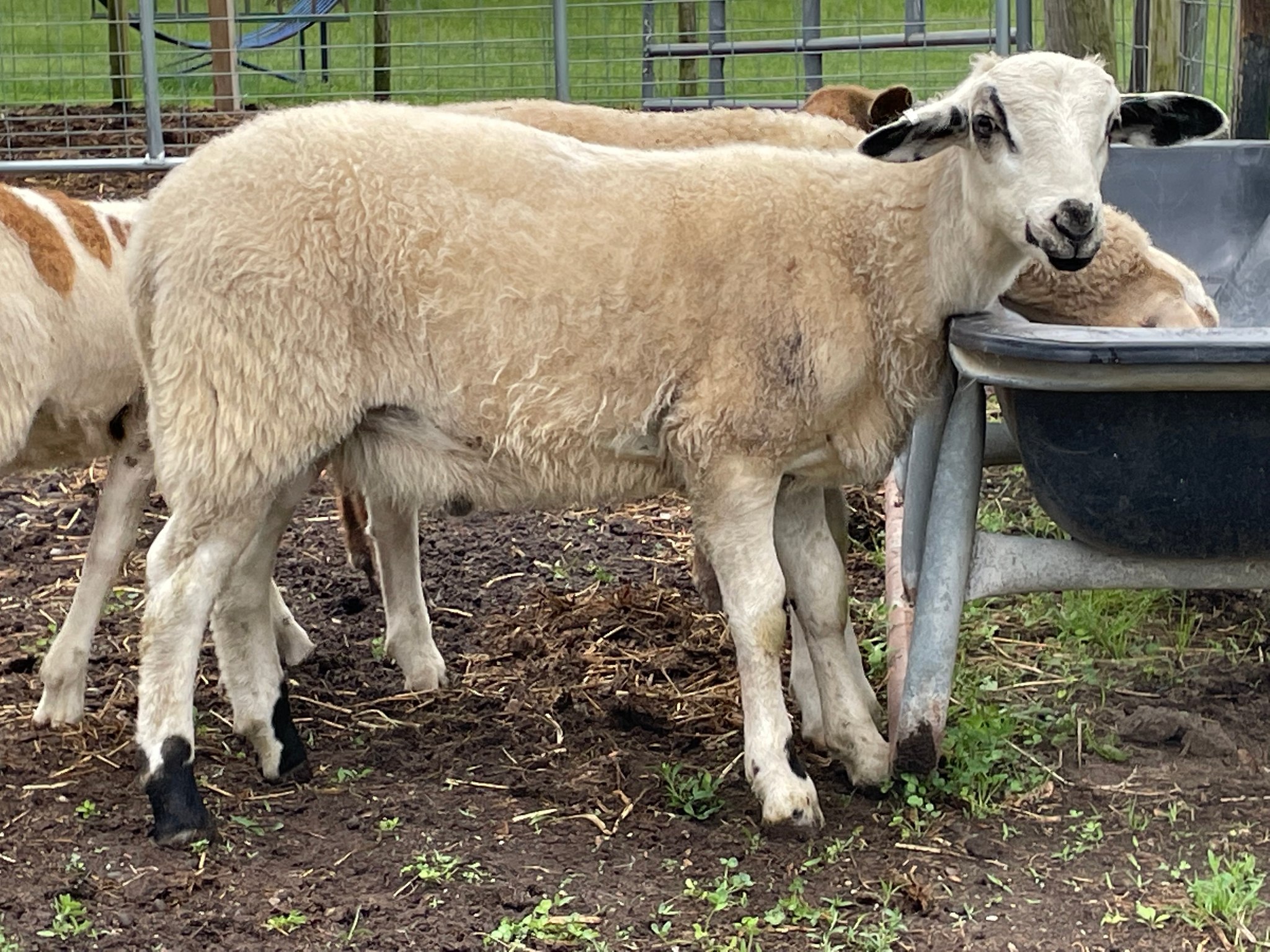
KATAHDIN SHEEP BREED | EWES | RAMS | LAMBS
Read more -

OX/COW/CATTLE GALLSTONES
Read more -

BUY AWASSI SHEEP | LAMBS | EWES | RAMS
Read more -

BUY EAST FRIESIAN SHEEP | LAMBS | EWES | RAMS
Read more -
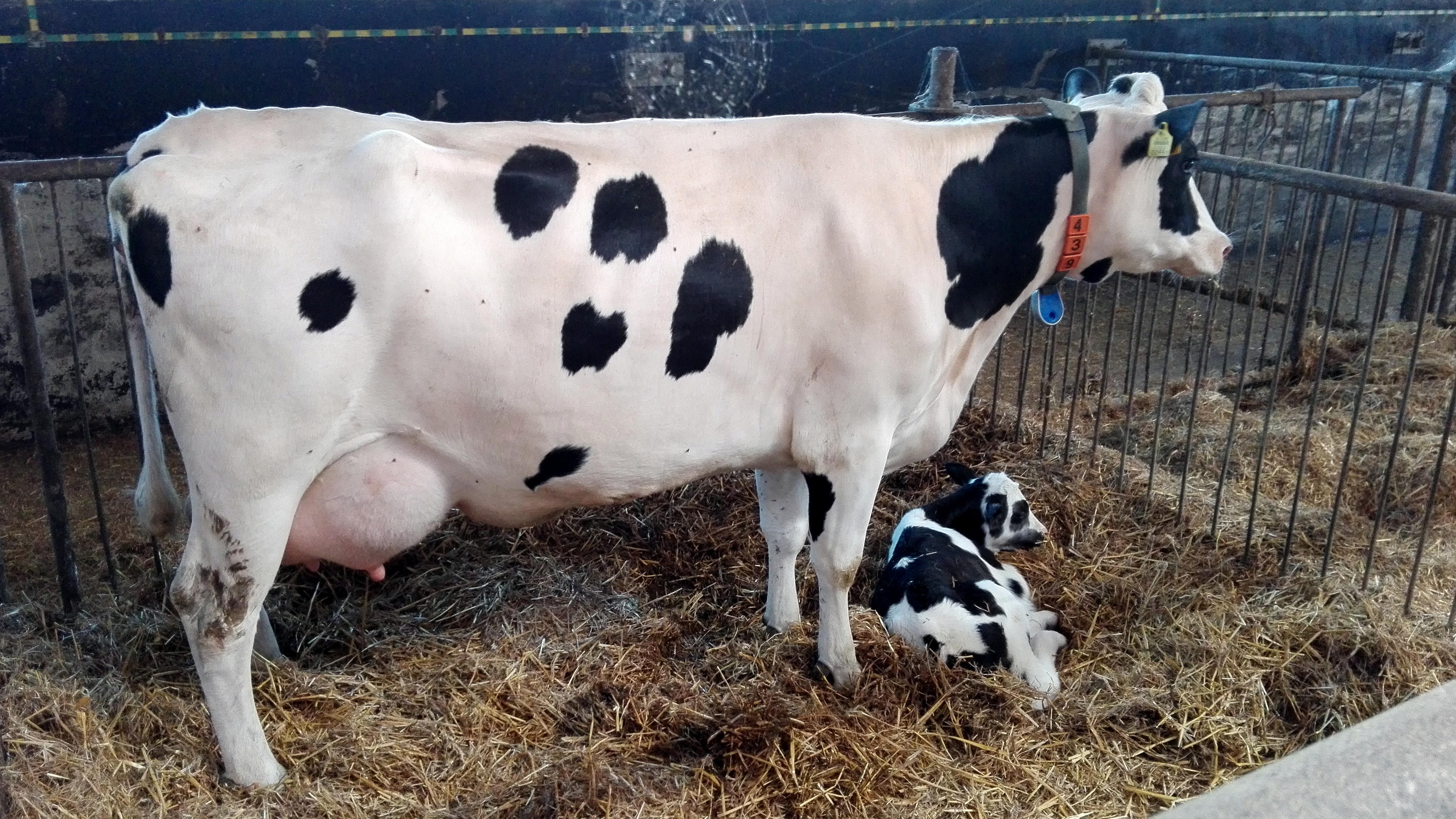
BUY CALVES
Read more -
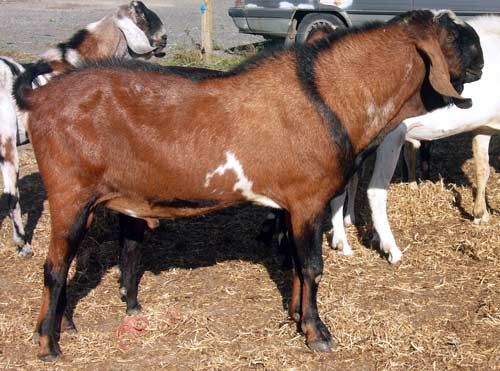
BUY ANGLO-NUBIAN GOATS
Read more -

NGUNI CATTLE BREED | CALVES | BULLS
Read more -

BUY PUREBRED LAMANCHA GOATS
Read more -

BUY LIMOUSIN HEIFERS | CALVES | BULLS
Read more